Chow Chow
The noble lion-dog with a distinctive blue-black tongue and dignified presence
Origin & History
The Chow Chow is one of the world's oldest dog breeds, originating in northern China over 2,000 years ago. Originally bred as versatile working dogs for hunting, herding, pulling, and protection, they were also kept by Chinese emperors. The breed's name likely comes from the pidgin English term "chow chow," which referred to various miscellaneous items from the Far East. Chow Chows were first exhibited in England in 1820 and recognized by the AKC in 1903.
Physical Characteristics
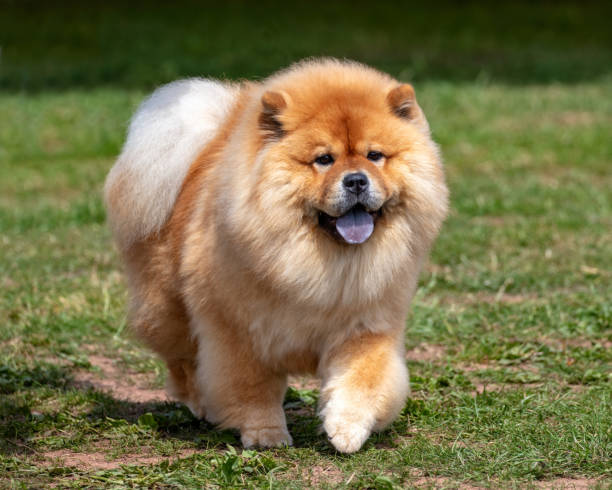
Chow Chows are medium-sized dogs with a distinctive lion-like appearance. They typically weigh 20-32 kg and stand 43-51 cm tall. Their most unique features include a blue-black tongue, deep-set almond-shaped eyes, and extremely straight hind legs creating a stilted gait. They come in two coat types: rough (long and abundant) and smooth (short and dense). Colors include red, black, blue, cinnamon, and cream, always solid in color.
Health & Lifespan
Chow Chows typically live 8-12 years. They are prone to several breed-specific health issues including hip and elbow dysplasia, entropion (eyelid rolling inward), patellar luxation, and thyroid problems. Their dense coat makes them susceptible to heat stroke in warm weather. Regular veterinary check-ups, proper grooming, and maintaining a healthy weight are crucial for their wellbeing. Their unique anatomy requires special attention to joint health throughout their lives.
Temperament
Chow Chows are known for their cat-like personalities - aloof, dignified, and independent. They are extremely loyal to their families but often reserved with strangers. Early and extensive socialization is essential to prevent over-protectiveness or aggression. They have a strong guarding instinct and make excellent watchdogs. While not overly demonstrative, they form deep bonds with their owners and can be quite affectionate in their own reserved way. Their intelligence is matched by their stubbornness.
Care Requirements
Chow Chows require substantial grooming, especially the rough-coated variety. Daily brushing is necessary to prevent mats and tangles in their dense double coat. They shed heavily twice a year. Regular cleaning of facial folds and ears is important. Due to their joint issues, moderate exercise is recommended - daily walks and play sessions without excessive jumping or strenuous activity. Their diet should be carefully monitored to prevent obesity, which exacerbates joint problems.
Living Conditions
Chow Chows adapt well to apartment living if their exercise needs are met, but they do best in homes with secure yards. Their thick coats make them sensitive to heat, so air conditioning is essential in warm climates. They are indoor dogs that want to be with their families, though they're not typically "lap dogs." Early socialization with other pets is important, as they can be dog-aggressive. They do best with older children who understand their need for respect and space.
Important Health Note
Chow Chows are extremely sensitive to heat due to their dense double coat and brachycephalic features. They must be kept in air-conditioned environments during warm weather and should never be exercised during the hottest parts of the day. Their unique straight-legged structure makes them prone to joint issues, so avoid activities that involve excessive jumping or strenuous impact on their joints.
Ideal Owners
Chow Chows are best suited for experienced dog owners who understand strong-willed breeds. They thrive with calm, confident owners who can provide consistent leadership without harsh treatment. Due to their reserved nature with strangers and potential dog aggression, they need owners committed to extensive socialization. They're not recommended for first-time dog owners or families with very young children.
Training & Socialization
Early and ongoing socialization is crucial for Chow Chows. They respond best to positive reinforcement training methods - harsh treatment will damage the bond and make them resistant. Their independent nature means training requires patience and consistency. House training can take longer than with other breeds. Proper socialization with various people, places, and situations from puppyhood helps prevent over-protectiveness.